

IMICS Rebuild & Real-Time Emergency Management Architecture
Category: Emergency Response Technology | Case Management Systems | Control Room Infrastructure
Scope: System Architecture Design, Process Engineering, UX/UI Architecture, Modular Software Rebuild, Real-Time Infrastructure, App Integration, Protocol Engine Design, Project Leadership
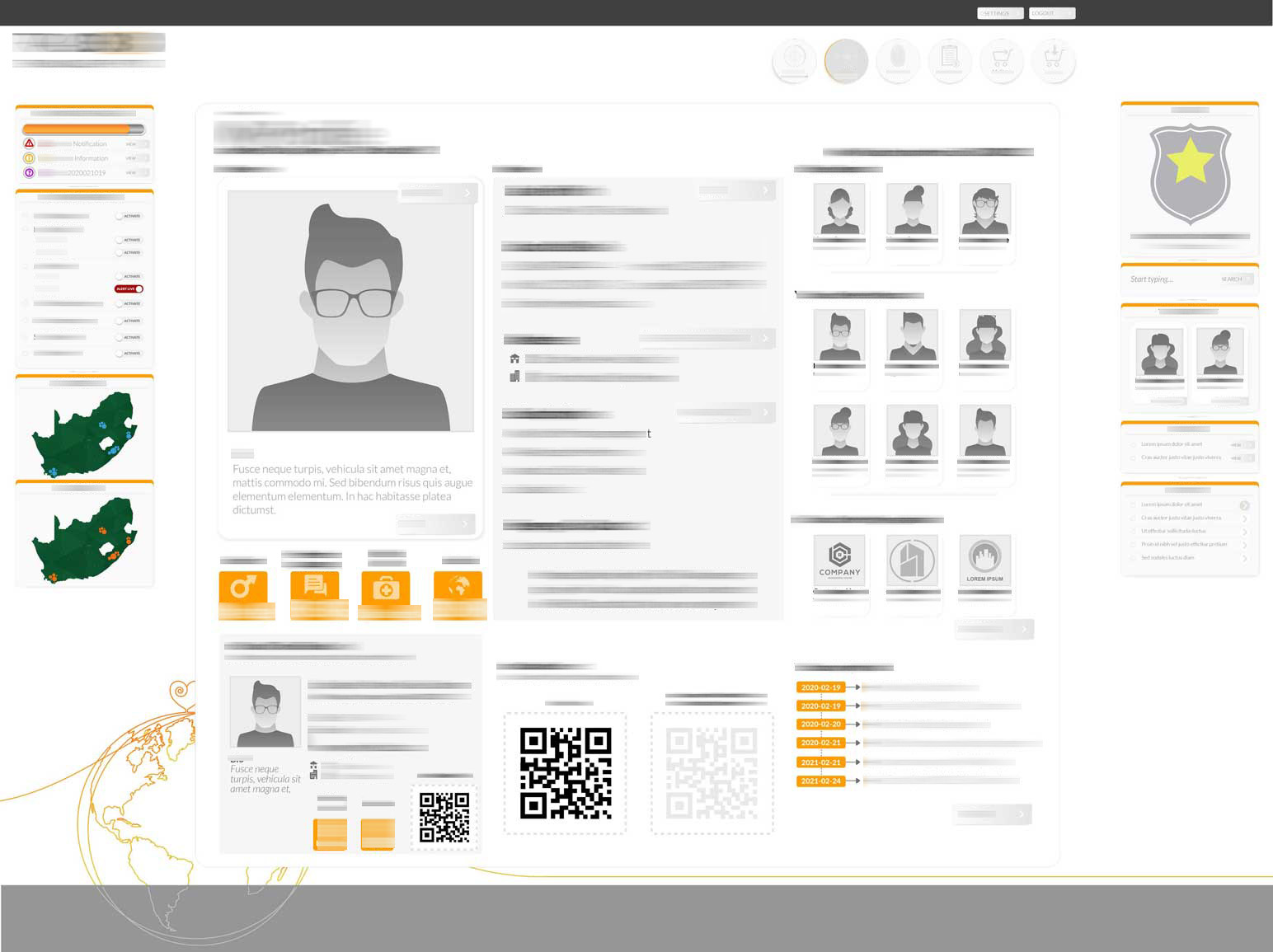
IMICS (Incident Management & Information Capturing System) is a mission-critical case management platform developed for TrackBox’s emergency response operations. Designed to manage real-time emergency activations, structured response protocols, and full case lifecycle documentation, the system serves as the operational backbone of control room coordination across a large client base.
IMICS (Incident Management & Information Capturing System) was the operational backbone of TrackBox’s emergency response environment.
Over time, the legacy system had grown organically — features added incrementally, workflows extended reactively, patches layered over patches. It functioned, but it was unstable. Bugs were increasing. Scale was constrained. Architecture was fragmented.
A rebuild was necessary.
But not another patchwork version.
Gen11 became both a rebuild and a full architectural reset.
The mandate was clear:
Replicate every core function of the legacy IMICS
Eliminate instability and technical debt
Future-proof for scale (national → international)
Support 100,000+ clients
Enable real-time emergency activation via app
Formalise emergency response protocol logic
Build modularly for future integrations
This required more than development.
It required architectural discipline.
Gen11 was built on two foundational principles: formal architectural design before development, and operational UX engineered for high-stress environments.
This ensured the system was structurally sound, cognitively clear, and scalable from day one.
Before development commenced, a critical decision was made:
The system would not be rebuilt without a written architectural design.
The previous version had grown through accumulation.
Gen11 would be built through design.
A full architectural scope was defined upfront, including:
Modular system structure
Data flow mapping
Event-driven logic
Role-based permissions framework
Real-time socket architecture
Protocol engine logic
App integration pathways
Long-term scalability modelling
Only once the architecture was formalised did development begin.
Emergency systems fail when they are cognitively heavy.
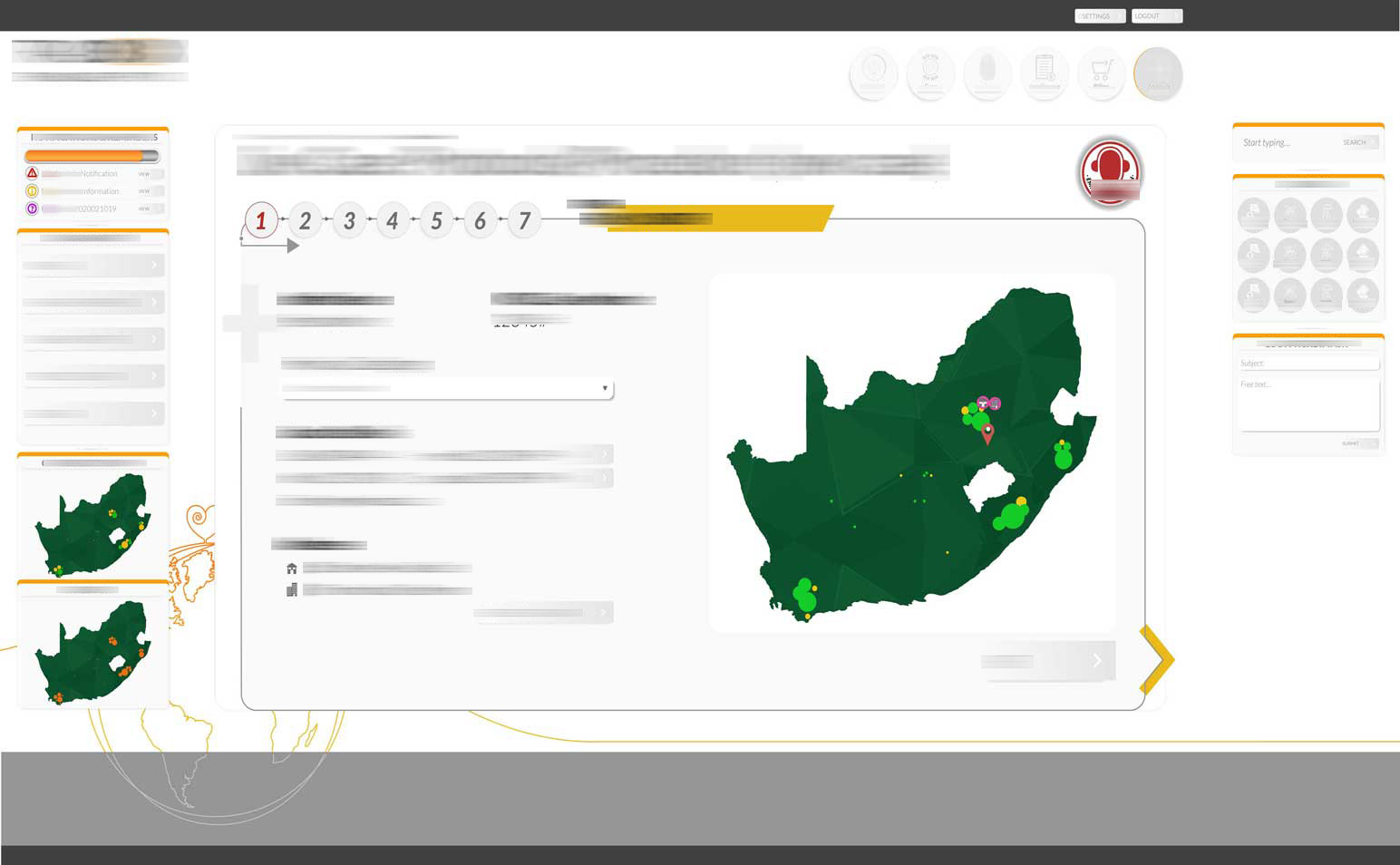
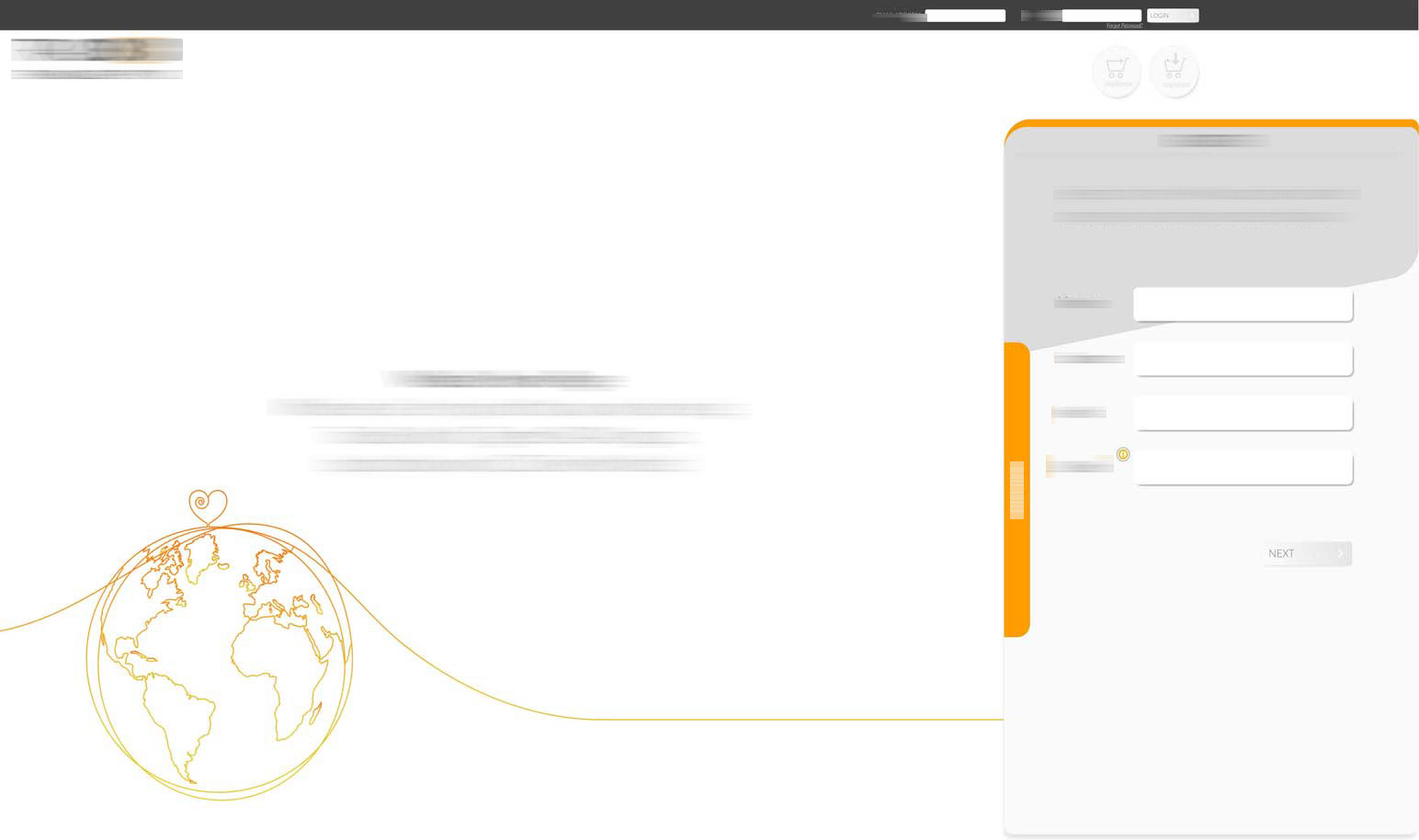
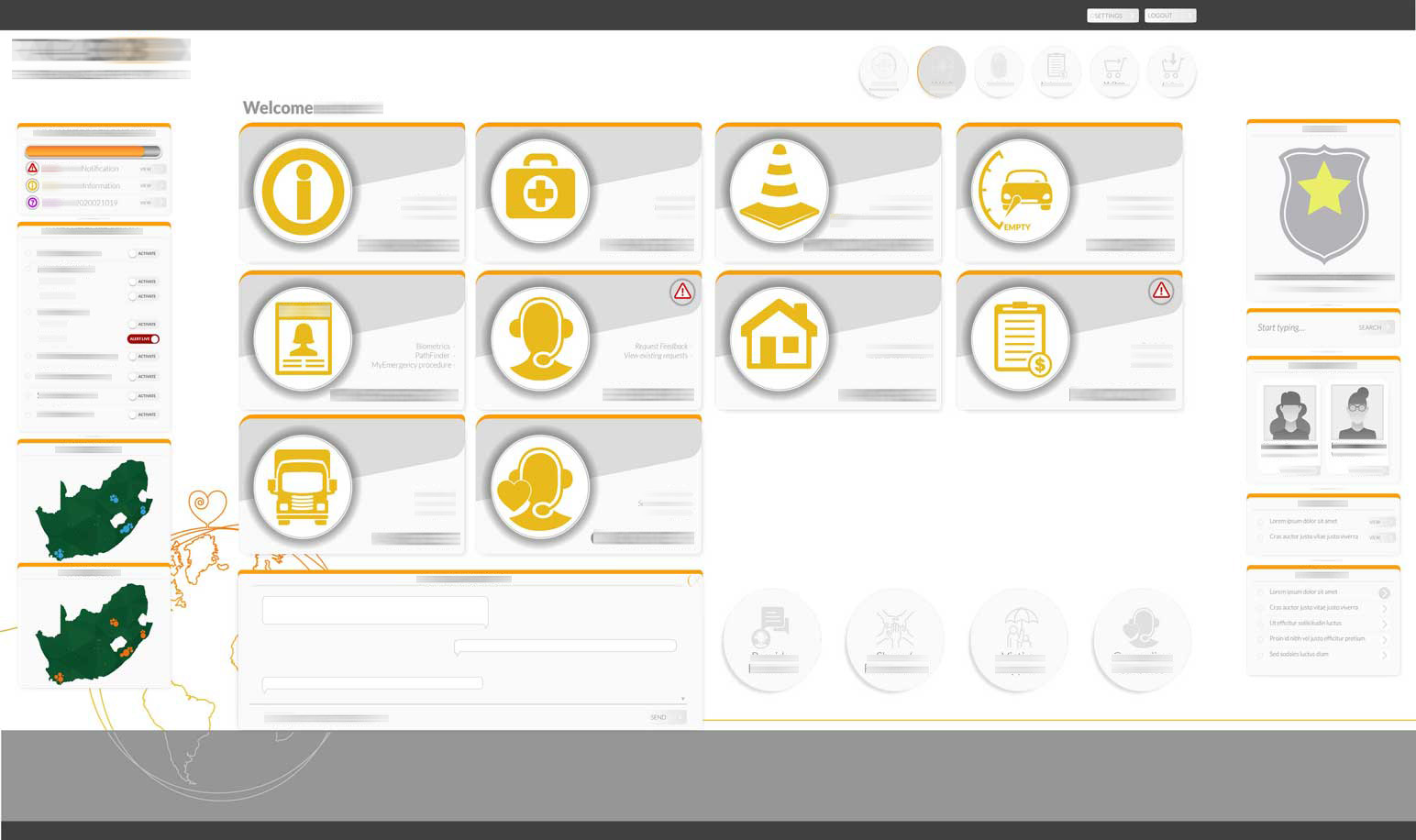
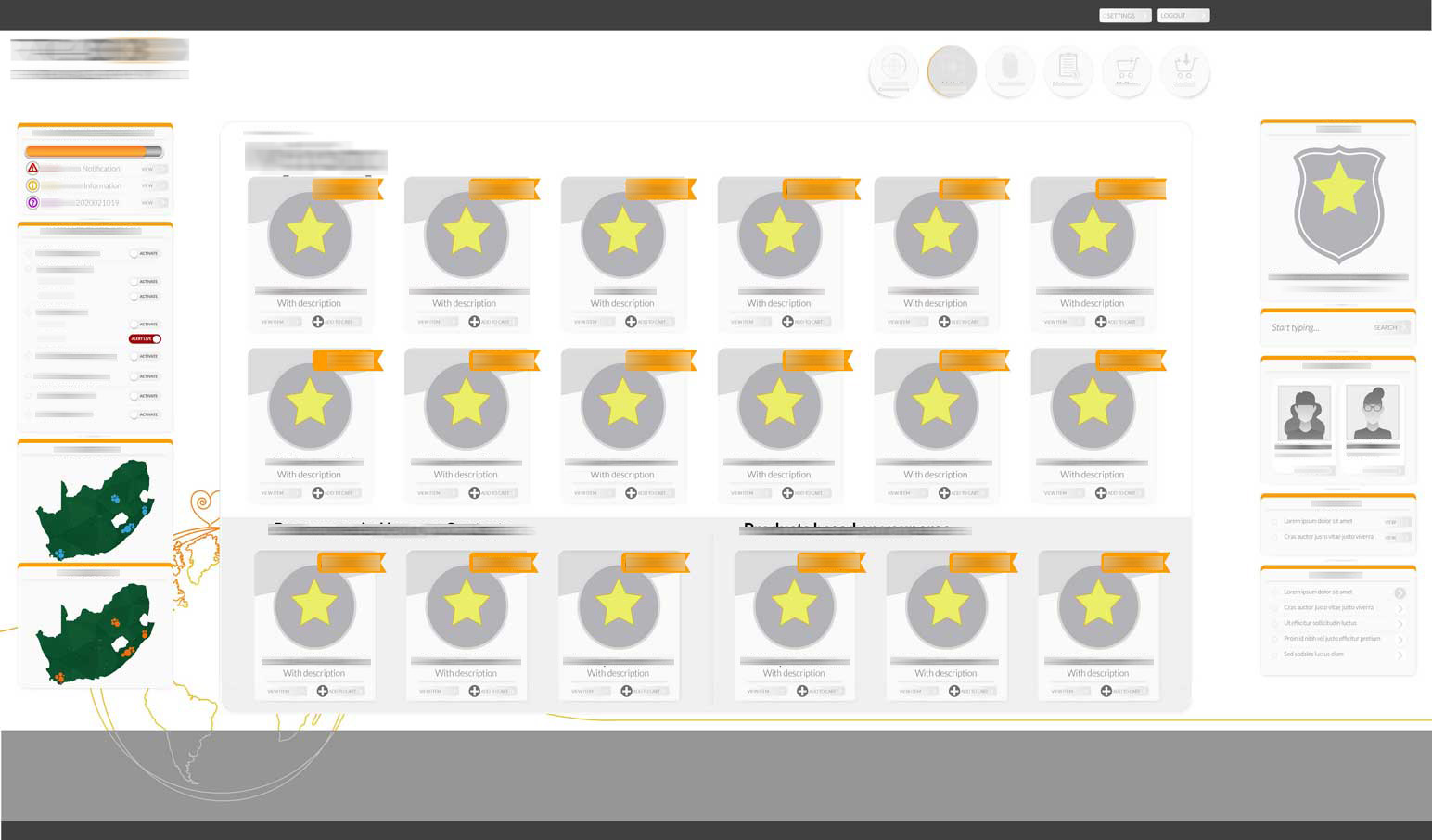
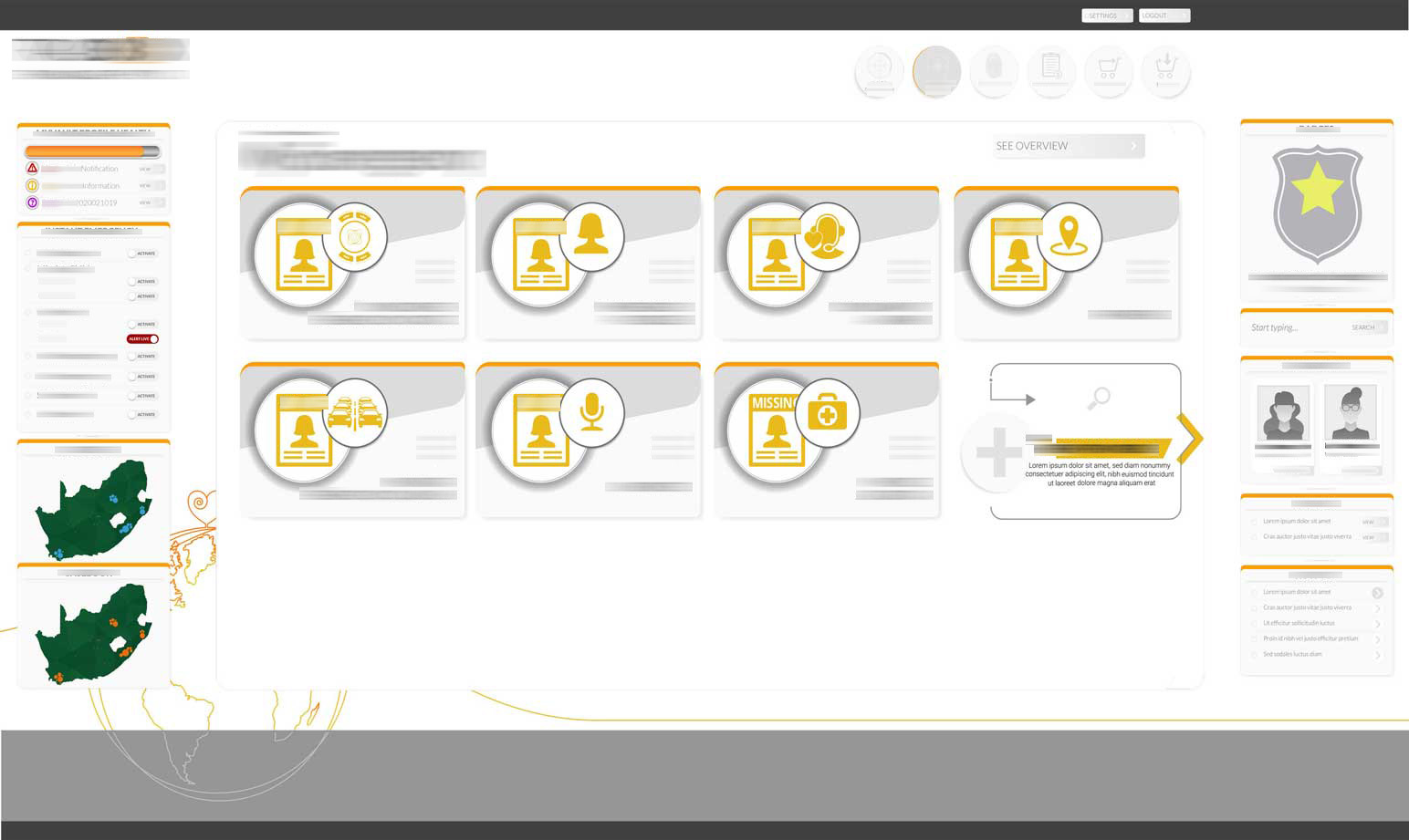
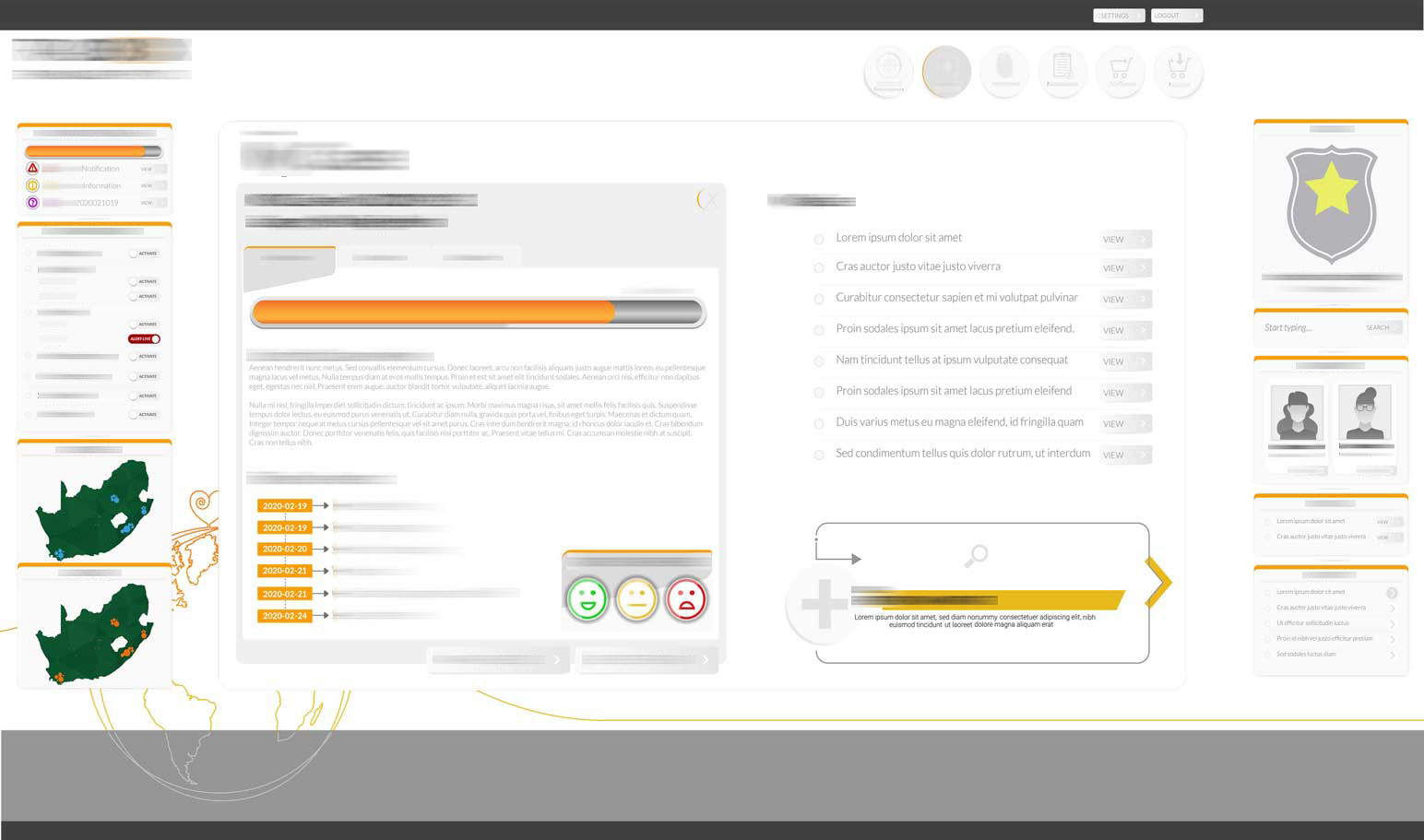
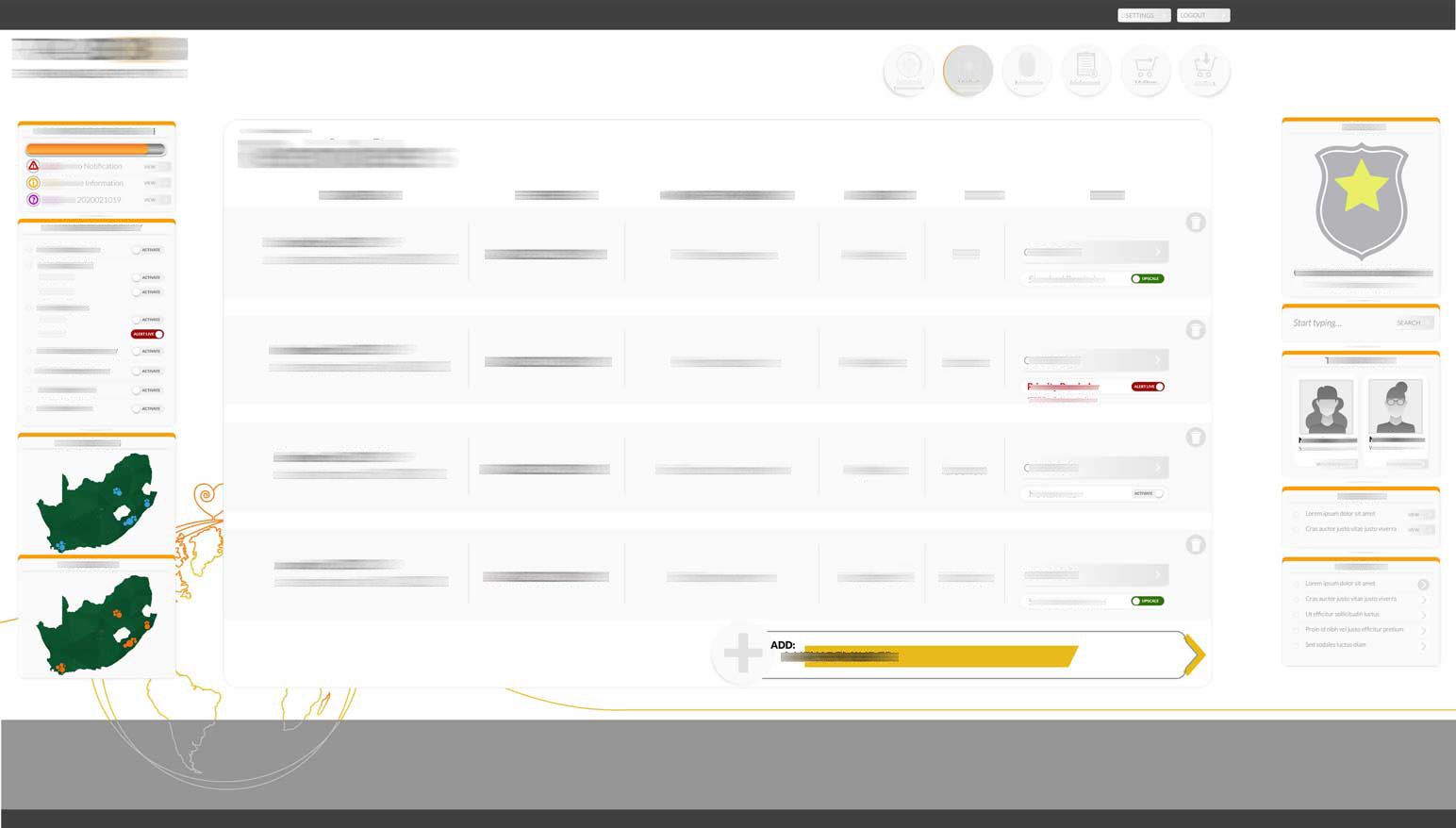
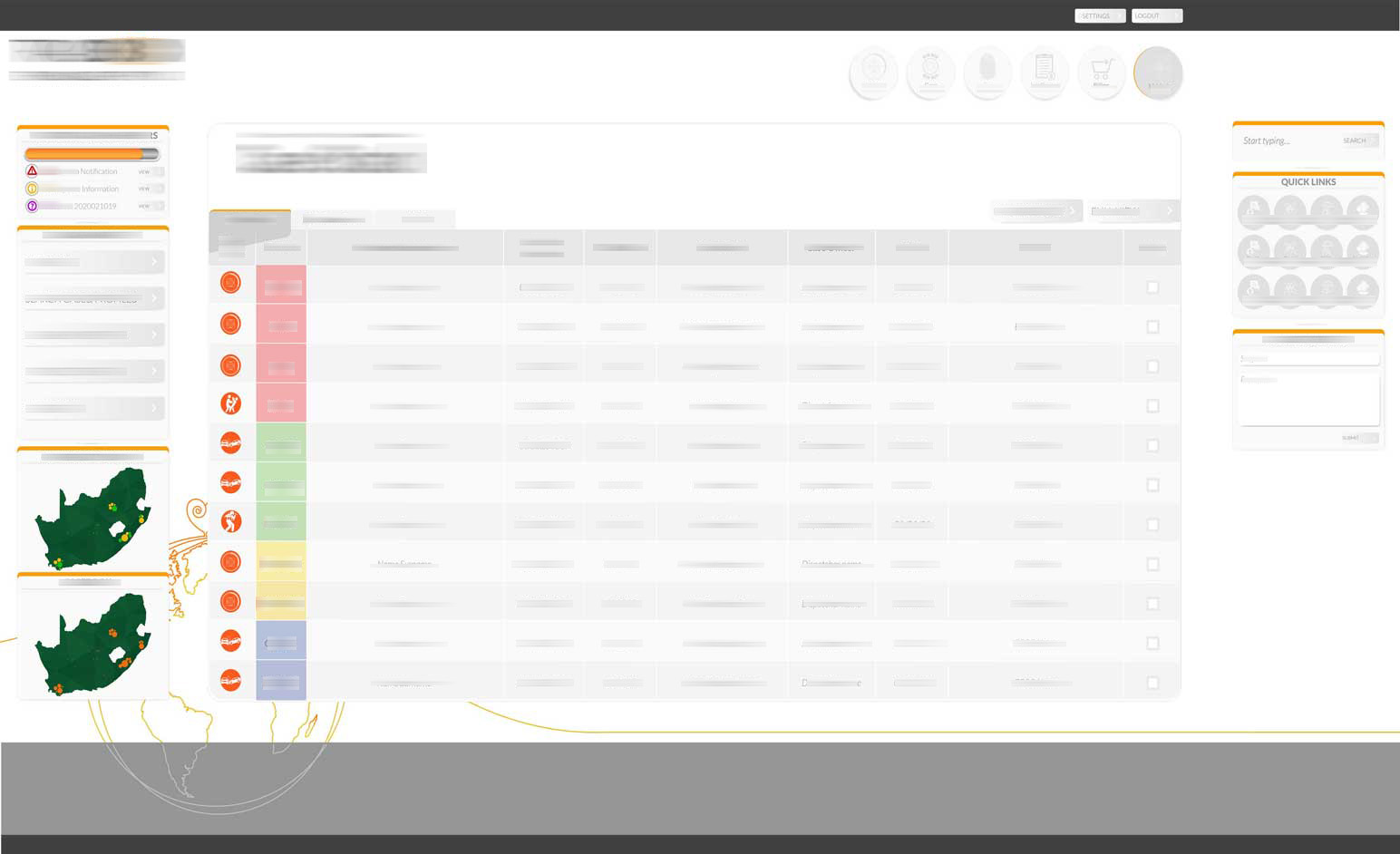
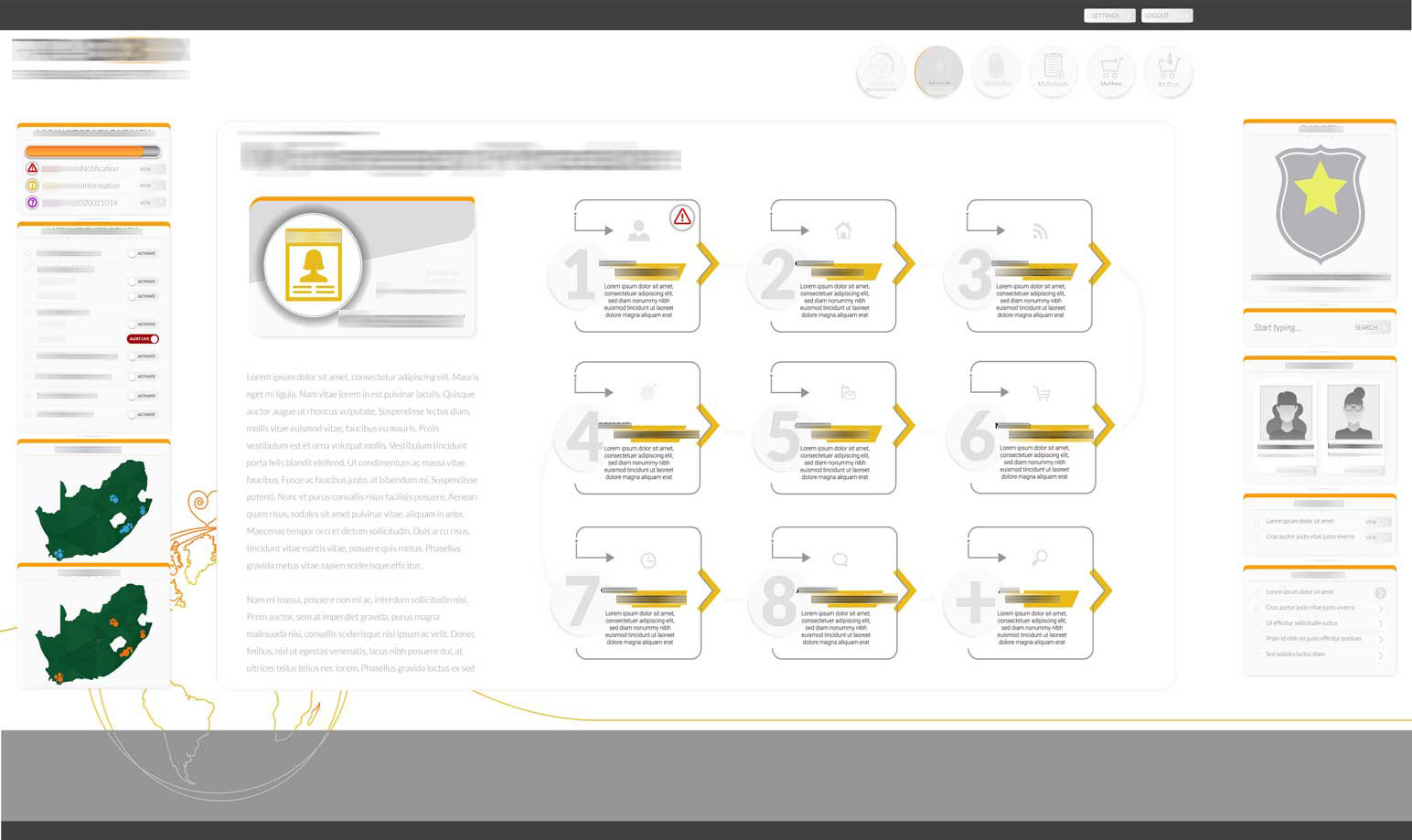
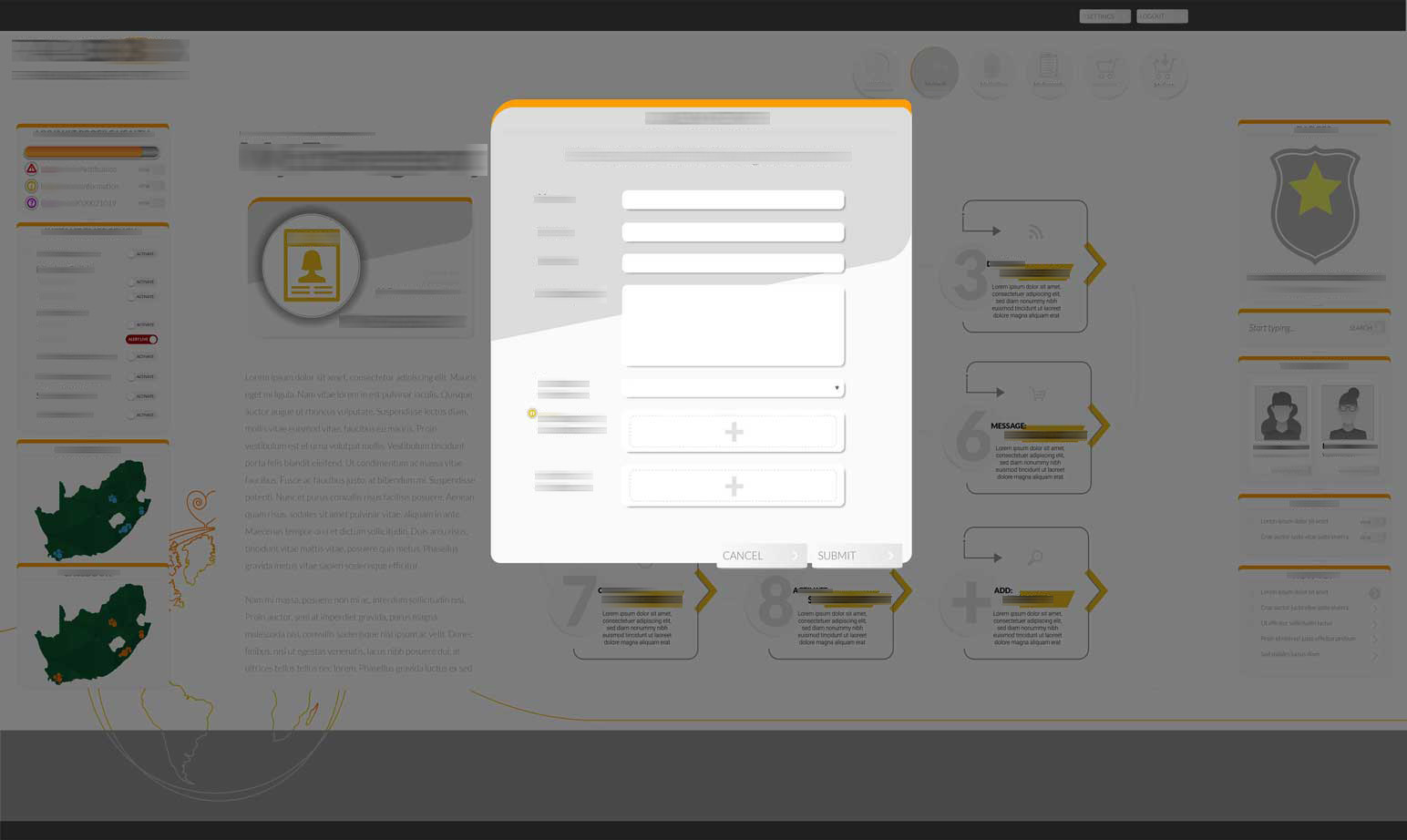
The entire UX architecture and process flow were designed from scratch to:
Reduce operator friction
Clarify workflow state
Surface critical information first
Minimise decision ambiguity
Enforce protocol discipline
Maintain speed without sacrificing control
Complex back-end logic was translated into operational clarity at the interface level.
This was systems design — not screen design.
Gen11 was developed as a layered system – beginning with structural integrity, extending into protocol enforcement, and culminating in real-time emergency orchestration.
The result is a cohesive platform designed for resilience and scale.
Gen11 was engineered as a modular system using:
C# backend architecture
PostgreSQL database
Vue front-end framework
WebSockets for real-time communication
Event buses for internal system messaging
The system was built modularly rather than monolithically, allowing components to evolve independently without destabilising the whole.
Role-based access control was implemented to manage permissions across control room operators, administrators, and system managers.
This was infrastructure designed for operational clarity and scale.
One of Gen11’s defining capabilities was the dynamic Protocol Engine.
Emergency response is not improvisation – it is procedure.
Gen11 introduced:
Configurable protocol flows
Admin-created protocol structures
Step-by-step case handling guidance
Escalation logic
Automated triggers
Time-stamped action tracking
Protocols were not hard-coded.
They were configurable – enabling operational leadership to refine response frameworks without redeploying code.
This transformed IMICS from a tracking tool into a procedural enforcement system.
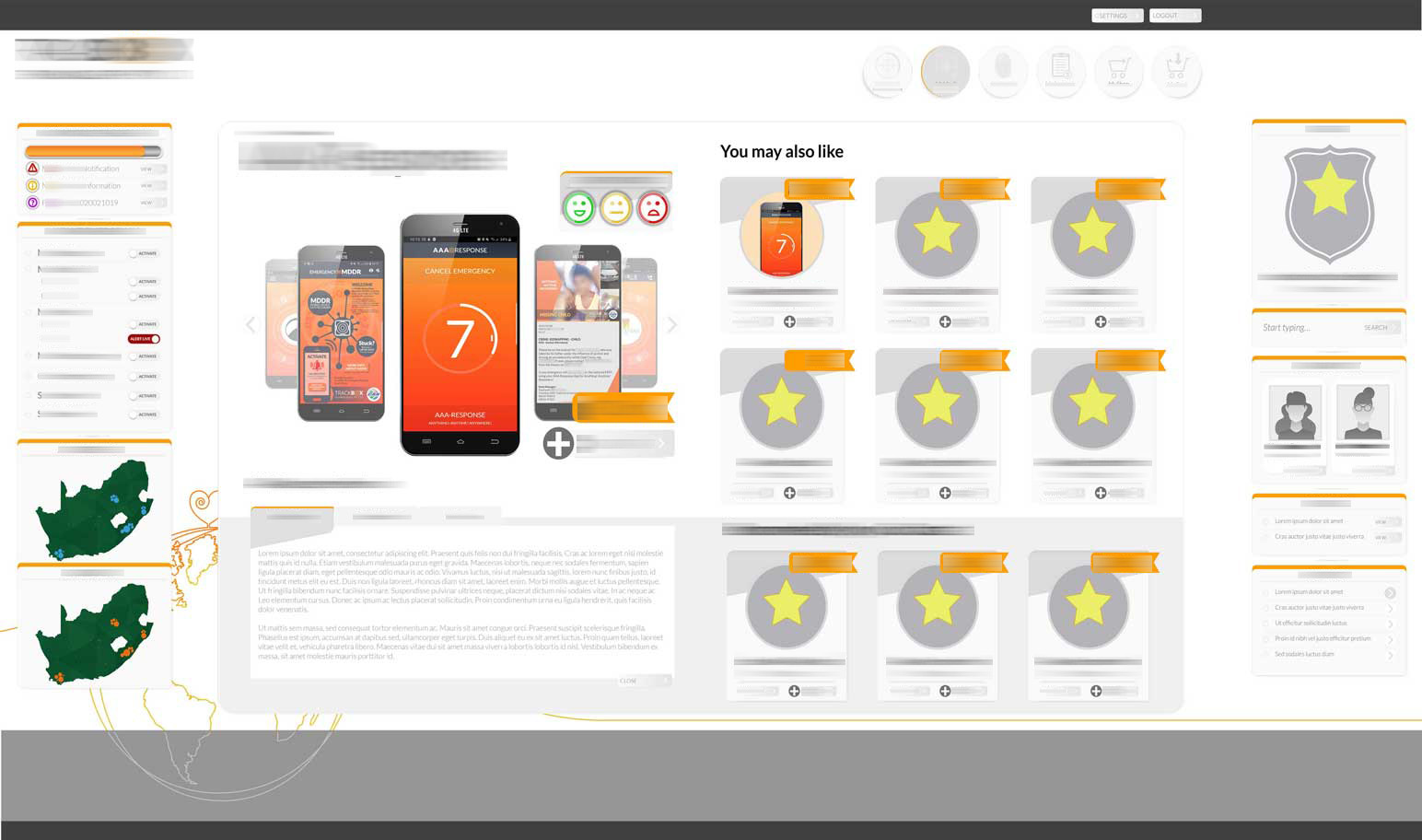
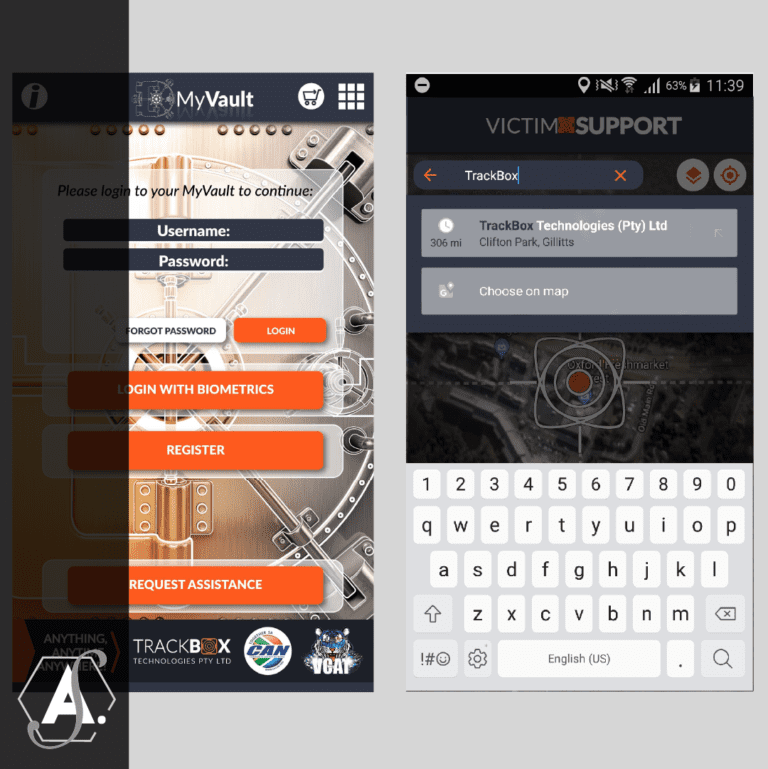
Gen11 integrates directly with the AAA Response app through an event-driven API architecture, enabling a seamless activation-to-response flow.
When an emergency is triggered:
A live alert is generated within IMICS
A case is automatically created
Geo-location data streams in real time
Operators receive instant visibility via WebSocket notifications
The relevant response protocol is initiated and guided
This eliminates manual escalation delays and ensures structured response from the first interaction.
The system then manages and records the full incident lifecycle — including communications, client history, protocol adherence, escalation actions, and final resolution — creating a complete, traceable operational record from activation to closure.
Full architectural scoping and system modelling
Process mapping of legacy workflows
Modular system design documentation
UX wireframing across all system states
Protocol engine logic design
Role-based permission structuring
Front-end build (Vue)
Backend development (C# / PostgreSQL)
Real-time socket implementation
Event-driven API integration
Project management across development teams
Multi-developer coordination
Development was collaborative, with backend contributions from an external engineer and frontend + architectural direction led internally.
Gen11 delivered:
A stable rebuild of a failing legacy system
Modular architecture capable of scale
Real-time emergency response visibility
Structured protocol enforcement
International readiness
Support for 100,000+ clients
Control room optimisation for 10+ operators
More importantly:
It transformed a reactive emergency tool into a structured operational ecosystem.
System Architecture | Process Engineering | Modular Software Design | Event-Driven Infrastructure | Real-Time Socket Implementation | Protocol Engine Design | Role-Based Access Control | UX Systems Architecture | App Integration | Control Room Workflow Design | Project Leadership